
London’s architectural landscape is defined by its magnificent heritage properties. From the classical symmetry of Georgian townhouses to the ornate detailing of Victorian terraces, these homes offer a level of character and craftsmanship that is impossible to replicate. However, for the modern homeowner, adapting a period property to contemporary luxury standards while preserving its historic soul is a complex undertaking.
Successful heritage restoration is not merely about preservation; it is about intelligent integration. It requires a deep understanding of historical construction methods, a network of specialist artisans, and the ability to seamlessly weave cutting-edge technology—such as climate control and smart home systems—into a centuries-old framework without disrupting its aesthetic integrity.
In this guide, we detail the technical and design considerations involved in restoring period features in London heritage properties. We will explore how to navigate strict conservation regulations, the costs associated with specialist restoration, and how our design studio modernises Victorian and Georgian homes for 21st-century luxury living.
Navigating Conservation Areas and Listed Building Consent
Before any physical work begins, the most critical phase of a heritage project is navigating the legal and planning landscape. London boasts over 1,000 designated conservation areas, and a significant proportion of prime residential real estate falls under these protections or holds Listed Building status.
Understanding the Restrictions
If your property is a Listed Building (typically Grade II for residential homes), you are legally required to obtain Listed Building Consent for any works that affect the building’s character. This applies to both the exterior and the interior. Removing an original fireplace, altering cornicing, or changing the floor plan can all trigger enforcement action if done without consent.
Properties situated within a Conservation Area, but which are not individually listed, generally face strict controls regarding their exterior appearance. This means replacing original timber sash windows with modern uPVC alternatives is almost universally prohibited. Permitted development rights—which allow certain extensions without full planning permission—are also frequently restricted or entirely removed in these areas.
The Design Studio Approach to Planning
Approaching a heritage renovation requires diplomacy and expertise. Our studio works closely with heritage consultants and local authority conservation officers from the project’s inception. We produce detailed architectural drawings and heritage statements that demonstrate how our proposed designs respect and enhance the building’s historical significance.
For example, when proposing a rear extension to a Georgian townhouse, we might specify handmade, period-appropriate London stock brick and traditional lime mortar, ensuring the new addition reads as a natural evolution of the original structure rather than a jarring modern imposition.
The Art of Restoring Key Period Features
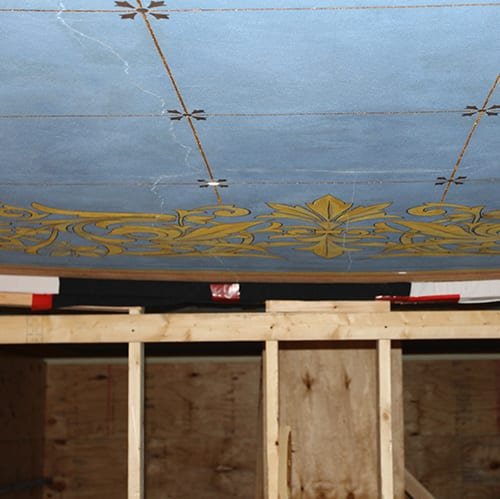
The defining characteristics of a period home lie in its architectural details. Restoring these elements requires the skills of specialist craftsmen who utilise traditional techniques and materials.
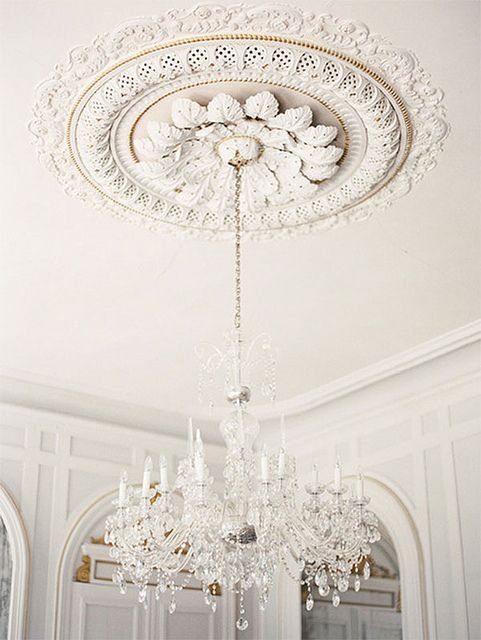
Cornicing, Ceiling Roses, and Plasterwork
Victorian and Edwardian properties are renowned for their elaborate decorative plasterwork. Over decades, these intricate details often become obscured beneath countless layers of paint, losing their crispness and definition.
Restoration involves a painstaking process of chemical peel poulticing and manual picking to remove the paint without damaging the fragile plaster beneath. Where sections of cornicing are missing or irreparably damaged, specialist plasterers will take a profile mould of the existing design and run new lengths of plaster by hand in the workshop to seamlessly patch the gaps.
Sash Windows: Restoration vs. Replacement
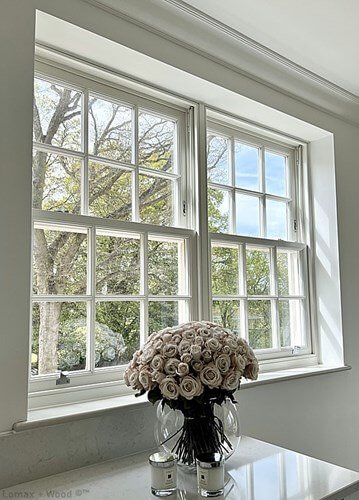
Original timber sash windows are fundamental to the facade of a period property. They are also frequently the primary source of draughts and heat loss. However, replacement should always be the last resort.
A full restoration involves removing the sashes, stripping the paint, repairing any rot with specialised epoxy resins, replacing the sash cords, and re-balancing the lead weights. To meet modern thermal expectations, we often specify the installation of slim-profile, heritage-approved double glazing units into the original timber frames, coupled with discreet brush draught-proofing systems routed into the woodwork.
Fireplaces and Encaustic Tiling
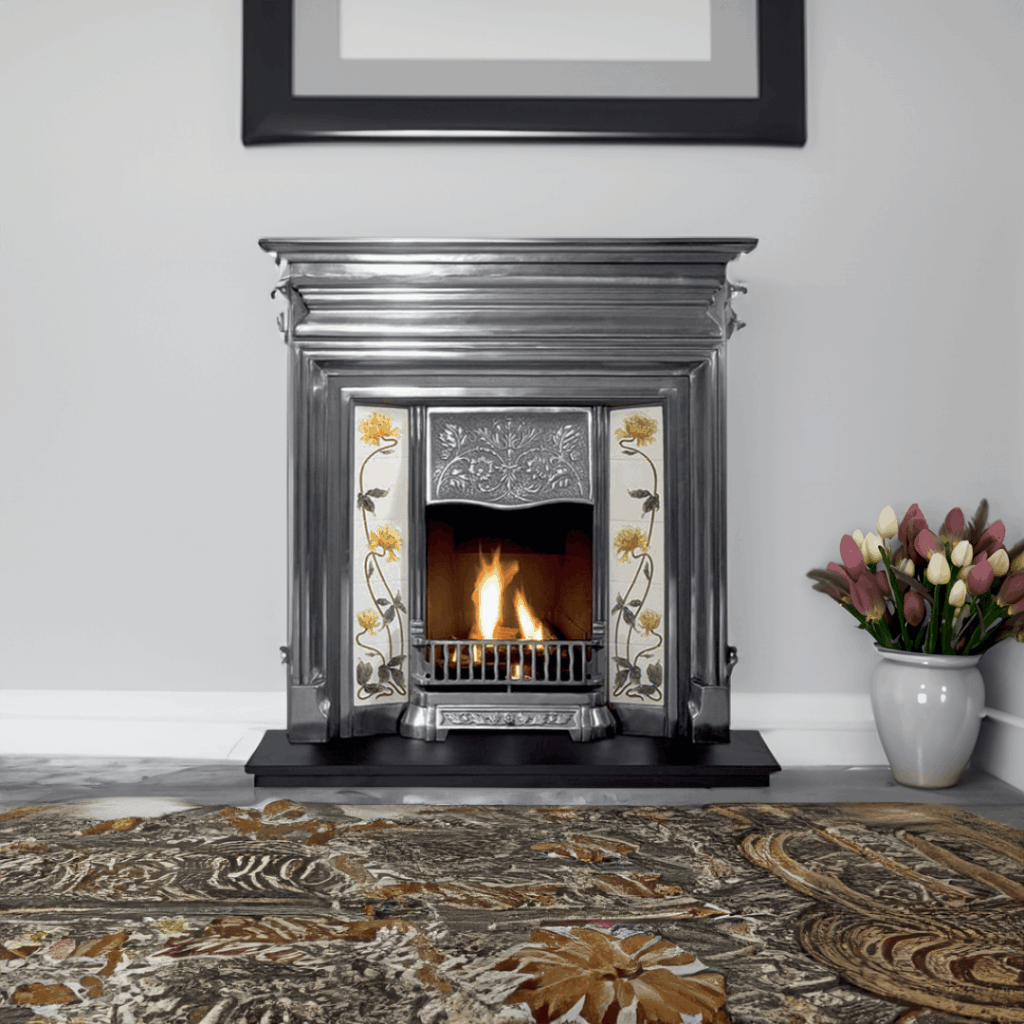
The fireplace was the focal point of the period room. Restoring an original cast iron insert or a marble surround involves deep cleaning, rust removal, and re-polishing. If an original fireplace has been removed by previous owners, we source period-correct antique replacements from specialist dealers, ensuring the proportions and style accurately match the era of the house.
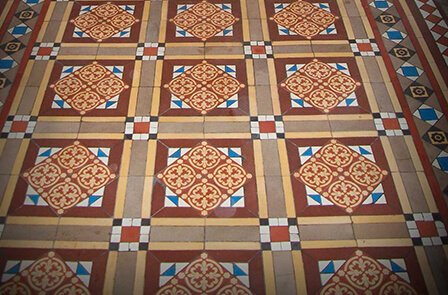
In Victorian hallways, geometric encaustic floor tiles provide a stunning entrance. Restoration involves carefully lifting loose tiles, removing decades of ground-in dirt and inappropriate sealants, and sourcing exact replica tiles to replace any that are shattered. The floor is then re-laid and sealed with breathable, modern protective finishes.
The following table provides an overview of typical investment levels for specialist restoration work in London:
| Period Feature | Restoration Process | Estimated Cost Range (London) |
|---|---|---|
| Decorative Cornicing | Paint removal and manual repair of damaged sections. | £25 – £60 per linear metre |
| Timber Sash Windows | Full overhaul, draught-proofing, and slim double-glazing retrofit. | £800 – £1,500 per window |
| Marble Fireplace Surround | Deep cleaning, stain removal, and re-polishing. | £500 – £2,000+ |
| Encaustic Hallway Tiles | Deep clean, repair of loose tiles, and breathable sealing. | £30 – £60 per sqm (cleaning only) |
Designer’s Note: “When restoring original timber floorboards, avoid the temptation to sand them down to a pristine, flawless finish. The dents, marks, and slight unevenness are the patina of age and contribute significantly to the character of the home. Opt for a light sand and a high-quality hard wax oil finish to protect the wood while preserving its history.”
Integrating Modern Luxury into Historic Spaces
The true mastery of heritage interior design lies in hiding 21st-century technology within a 19th-century aesthetic. The modern luxury homeowner expects underfloor heating, integrated audiovisual systems, and flawless lighting, none of which should intrude upon the period character of the room.
Discreet Technology and Climate Control
We frequently employ ‘invisible’ technology. Architectural speakers can be plastered seamlessly into ceilings, becoming entirely invisible. Televisions can be concealed behind bespoke joinery or integrated into custom mirrors above restored fireplaces.
For climate control, bulky radiators are removed in favour of wet-system underfloor heating. In rooms with original floorboards or tiles that cannot be lifted, we specify discreet, low-level trench heating or period-appropriate cast iron column radiators that complement the aesthetic.
Lighting Design in Period Homes
Lighting a period property requires a delicate touch. Relying solely on a central ceiling rose pendant leaves the edges of the room dark and uninviting. We design layered lighting schemes that highlight the architectural features.
This might involve installing miniature, high-CRI uplighters atop bespoke cabinetry to wash the restored cornicing in a soft glow, or using discreet floor washers to highlight the texture of an original brick wall. The goal is to enhance the heritage features without the light sources themselves becoming the focal point.
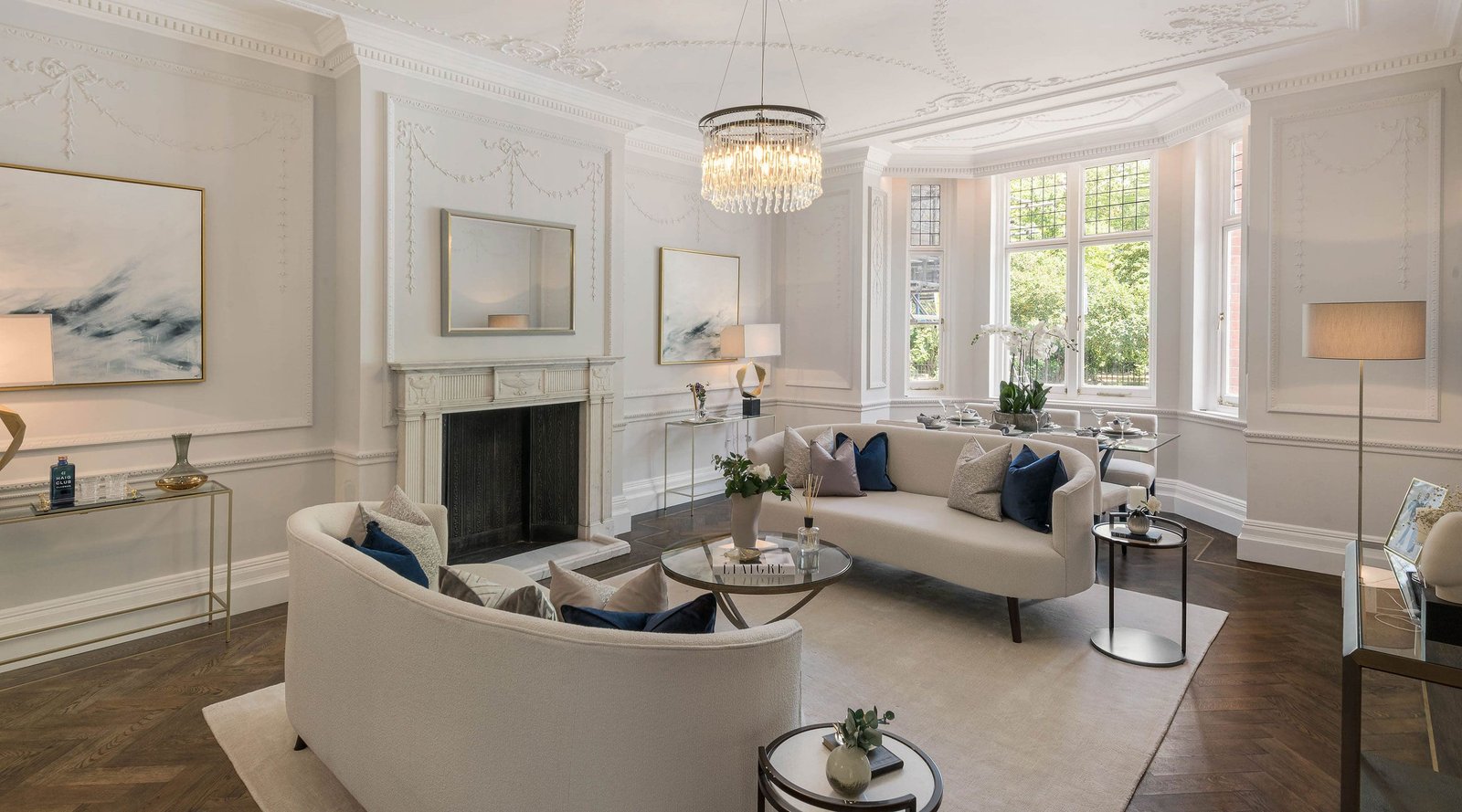
Designer’s Note: “When designing bespoke joinery, such as fitted wardrobes, in a room with ornate original cornicing, never run the cabinetry all the way to the ceiling. Stop the joinery short and allow the cornicing to run continuously around the room. This respects the original architecture and makes the room feel grander.”
Case Study: A Georgian Townhouse Restoration in Marylebone
The Challenge
Our clients acquired a Grade II listed Georgian townhouse in Marylebone that had been poorly converted into flats in the 1980s. The property had lost much of its original character; original panelled doors had been replaced with flush fire doors, and the grand first-floor drawing room had been partitioned.
The Solution
Working closely with the local conservation officer, we secured consent to remove the modern partitions and reinstate the original floor plan. We sourced period-correct, six-panel timber doors and commissioned bespoke architraves to match the few surviving original examples.
In the drawing room, the layers of modern paint were meticulously peeled back to reveal the original, delicate Georgian cornicing, which was then repaired by a master plasterer. We installed a discreet, smart-controlled lighting system, using miniature spotlights to highlight the clients’ contemporary art collection without damaging the historic fabric of the walls.
The Result
The townhouse was returned to its former glory, serving once again as a unified, grand family home. The seamless integration of modern luxury amenities—including a concealed home cinema system and zoned climate control—ensures the property functions perfectly for contemporary living while proudly displaying its Georgian heritage.
Frequently Asked Questions
Do I need planning permission to restore period features inside my home?
If your property is a Listed Building, you will need Listed Building Consent for any internal or external works that affect its character, including restoring or altering period features. If your home is in a Conservation Area but not listed, internal restorations usually do not require permission, but external changes (like replacing sash windows) often do.
How much does it cost to restore original sash windows in London?
A basic overhaul and draught-proofing of a sash window typically costs between £350 and £650. A full restoration, including new cords, seals, and re-glazing, ranges from £400 to £1,500 per window. Upgrading to slim-profile double glazing within the original frame can cost between £800 and £1,500 per window.
Can I install underfloor heating in a Victorian property with original tiles?
Yes, but it requires extreme care. Original encaustic tiles must be meticulously lifted, numbered, and cleaned. The subfloor is then prepared, the underfloor heating system installed, and the original tiles re-laid. This is a highly specialised process that requires an experienced heritage tiler.